Breaking: BIOS Tweaks Linked to Performance Regression in Daily Use
Enthusiasts who tweak BIOS settings for higher benchmarks may be degrading their PC's real-world performance, experts warn. A system that scores well in synthetic tests can still suffer from crashes, stutters, and sluggish responsiveness during everyday tasks.
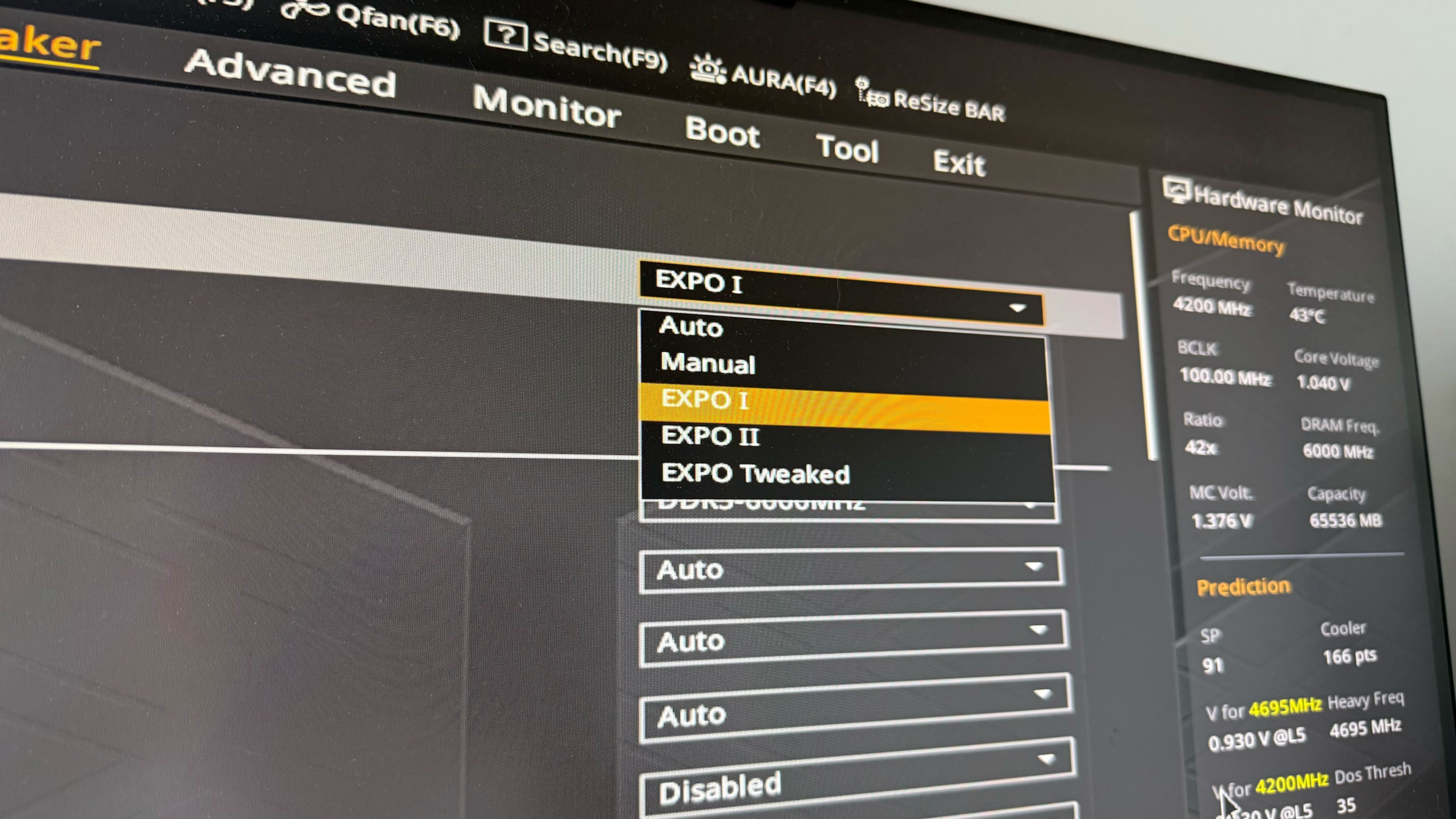
“You can have a machine that blazes through a benchmark but feels terrible when you're just browsing the web or editing a document,” said Dr. Elena Torres, a PC performance analyst at TechLab Research. “The disconnect between synthetic scores and actual user experience is a growing concern.”
What's Happening?
Common BIOS adjustments—like higher memory speeds, aggressive CPU boosting, and disabled power-saving features—are often mistaken for free performance gains. Yet these same settings are frequently the root cause of system instability.
“A faster memory frequency can reduce latency in benchmarks, but if the memory controller isn't stable, you'll see random crashes or micro-stutters in games,” said Intel platform engineer Mark Chen in a statement. “Users rarely connect those issues back to their BIOS changes.”
Background: The Tuning Trap
The BIOS, or Basic Input/Output System, is a low-level interface that enthusiasts use to overclock CPUs, tighten memory timings, and disable features like C-States for maximum performance. Many online guides present these tweaks as simple ways to win benchmark bragging rights.
However, real-world software rarely pushes hardware to the same extremes. Aggressive CPU boosting can cause thermal throttling under sustained loads, while disabled power-saving features increase idle power draw and heat without delivering noticeable speed benefits in most applications.
“The idea that more voltage and faster clocks always translate to a better user experience is a myth,” noted Torres. “Stability and consistent frame times matter far more than peak scores.”

What This Means for PC Users
If your system feels sluggish, crashes frequently, or stutters during normal tasks, check your BIOS settings first. Reverting to default or optimized defaults often resolves these issues without sacrificing noticeable performance.
Key takeaways:
- Synthetic benchmarks do not measure overall system comfort. A high score can hide instability that harms responsiveness.
- Power-saving features exist for a reason. Disabling them rarely benefits daily use and can increase heat and wear.
- Memory stability is critical. Even a single bit error from aggressive timings can cause crashes that mimic software bugs.
“I always tell enthusiasts to tune for their actual workload, not for a number,” concluded Chen. “A stable system that never crashes is faster in the long run than one that tops charts but requires daily resets.”
For most users, leaving BIOS at default settings or enabling only manufacturer-tested presets like XMP is the safest way to get good performance without hidden compromises. If you've been chasing benchmark records, consider a stability-first approach—your everyday experience will thank you.