Ju.putty PDocsScience & Space
Related
Lyra Project Management: Your All-in-One Lifetime Workspace for Teams Up to 10 - Q&AiPhone 18 Pro Titanium Comeback Rumored, but Experts Dismiss as UnlikelyPentagon Inks Classified AI Deals with Google, OpenAI, SpaceX: Exclusive DetailsThe Art of Storytelling in User Research: Engaging Stakeholders Through a Three-Act StructureHow to Analyze Ransomware Trends in Q1 2026: A Step-by-Step GuideDecoding the $725 Billion Surge: A Guide to Big Tech Capital Expenditure Trends and Cost AnalysisA Step-by-Step Guide to Observing the Blue Whale-Sized Asteroid Flyby Livestream on May 18How to Identify a 240-Million-Year-Old Giant Sand Creeper Fossil

Flight Research at NASA Armstrong: 10 Key Developments and Capabilities

Last updated: 2026-05-08 02:57:05 · Science & Space
Flight Research at NASA Armstrong: 10 Key Developments and Capabilities
Source: www.nasa.gov

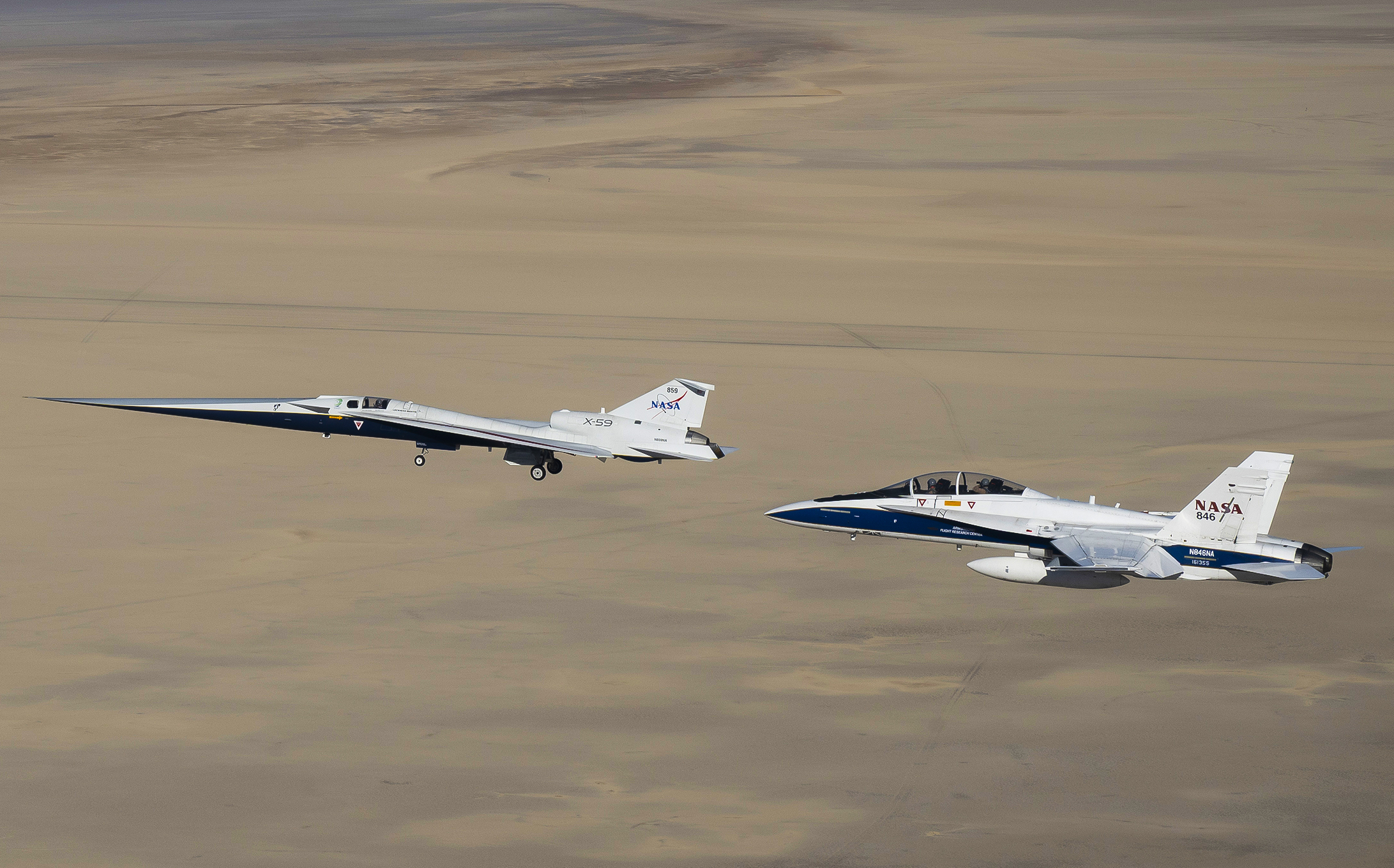
Welcome to the heart of experimental aviation: NASA’s Armstrong Flight Research Center in California’s Mojave Desert. For nearly eight decades, this facility has been at the forefront of aerospace innovation, carrying forward the legacy of pioneers like Neil Armstrong. Today, Armstrong is expanding its fleet with new aircraft—from supersonic jets to versatile turboprops—while continuing to support critical airborne science and aeronautics test missions. The center’s unique blend of skilled personnel, state-of-the-art infrastructure, and a storied past makes it a vital hub for global research. Dive into these 10 essential facts to understand how Armstrong is shaping the future of flight.

Flight Research at NASA Armstrong: 10 Key Developments and Capabilities
Source: www.nasa.gov